
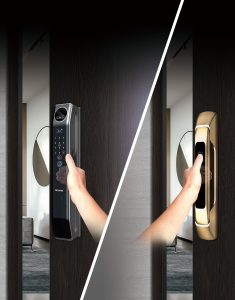
3D Face vs Fingerprint: Which Unlock Method Survives an Export Market
Both work in a showroom. The difference shows up in month six, when the door is dusty, the user’s hands are wet and the installer is three countries away.
Both work in a showroom. The difference shows up in month six, when the door is dusty, the user’s hands are wet and the installer is three countries away.
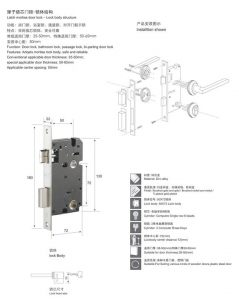
Notes from people who test the lock, not the brochure.
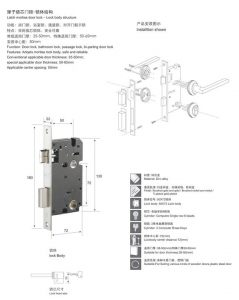
— The datasheet says −20 °C to +40 °C. The afternoon surface temperature of a steel gate in Lagos or Ho Chi Minh City is 60 °C. That gap is where most field failures come from, and it is not the fingerprint sensor. ## What fails first **The lithium cell.** A 4200 mAh Li-ion pack […]
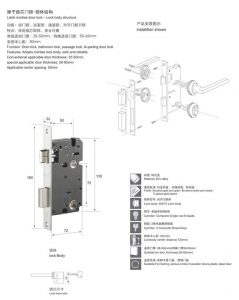
— A lock is mechanical and electronic at once, and the two fail in different ways. These are the gates every unit passes before it is packed. ## Gate 1 — Incoming components Semiconductor sensors, face modules, cells, mortise bodies and cylinders are sampled before assembly: sensor response on a reference finger, cell voltage and […]
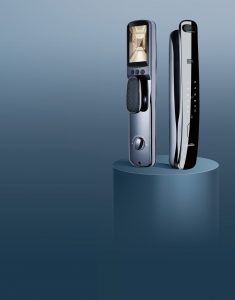
A 2D camera compares a picture of a face with a stored picture. A 3D sensor measures depth. That single difference decides whether a printed photo,…
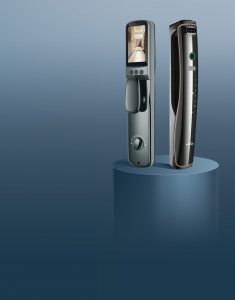
Both are biometrics, but they read different things. A fingerprint sensor reads the surface of the skin. A palm-vein sensor reads haemoglobin beneath it, using near-infrared…
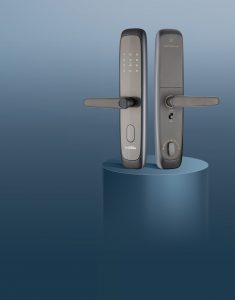
A 4200 mAh pack sounds large until you count the radio. Most “battery problems” reported by installers are really specification problems: the wrong capacity for the…

IP65 on a datasheet means dust-tight and protected against water jets. It does not describe what happens after two years of coastal salt fog, UV exposure…
A camera on the outside of the door is only useful if someone can see the image. That is the whole argument for an indoor screen.…
Datasheet, FOB quotation and door-preparation drawings — answered within one working day.
Request a quotation